Step by step fiber rich foods for beginners including a practical meal schedule and ways to avoid mi

Step-by-step Fiber-Rich Foods for Beginners — Practical Meal Schedule + 24 Recipes

Step-by-Step Guide to Fiber-Rich Foods for Beginners

Easy, practical and heart-healthy: 24 simple recipes, a full 7-day meal schedule, and safe strategies to increase fiber while lowering heart attack (MI) risk.
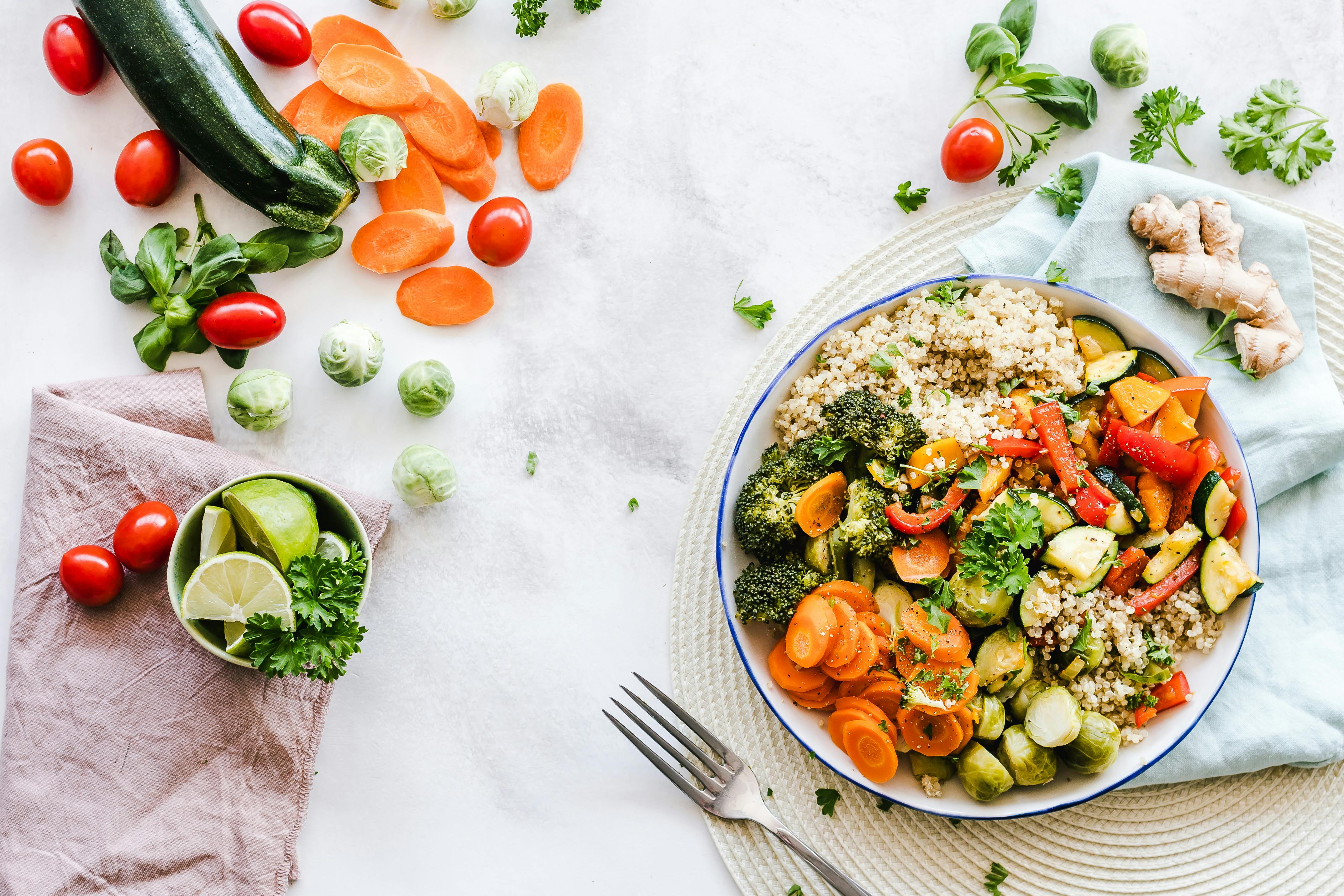
Bowl of fresh high-fiber salad and grains — Pexels

Welcome — this guide walks beginners through what dietary fiber is, why it matters, and how to include fiber-rich foods in practical, delicious ways every day. You'll find step-by-step shopping notes, meal timing suggestions, a complete 7-day meal plan, 24 recipes that are quick to prepare, plus tips to avoid complications and promote heart health.

Quick facts: Adults benefit from both soluble and insoluble fiber; targets are generally 25–38 g/day depending on age/sex, and adding fiber gradually reduces digestive discomfort.

What is dietary fiber? A friendly primer

Dietary fiber is the indigestible part of plant foods. It comes in two major types:

  • Soluble fiber — dissolves in water to form a gel (e.g., oats, beans, apples). It helps lower LDL cholesterol and slows glucose absorption.
  • Insoluble fiber — stays intact, helps bowel regularity (e.g., whole grains, nuts, vegetables).

Both types play roles in digestive health, metabolic control, and long-term cardiovascular protection. Regular fiber intake is associated with lower cholesterol, better blood sugar control, and lower risk of heart disease and some chronic conditions. :contentReference[oaicite:1]{index=1}

Why fiber matters for heart health and MI prevention

Higher fiber intake has been linked to lower rates of coronary heart disease and improved outcomes after cardiac events. Fiber helps reduce LDL cholesterol, improve blood glucose control, and supports a healthy gut microbiome — all factors relevant to reducing the risk of myocardial infarction (heart attack). Diet patterns rich in whole grains, fruits, vegetables, nuts, and legumes improve cardiovascular outcomes. :contentReference[oaicite:2]{index=2}

That said, a holistic approach (exercise, smoking cessation, weight management, blood pressure control) pairs with fiber-rich eating to reduce MI risk most effectively. If you have existing heart disease, discuss diet changes with your clinician. :contentReference[oaicite:3]{index=3}

How to start: step-by-step for beginners

  1. Understand your baseline: Keep a 3-day food log to estimate current fiber intake. Most people eat significantly less than recommended.
  2. Set small weekly goals: Add 3–5 grams of fiber per day each week until you reach your target (25–38 g/day, adjusted by sex/age).
  3. Balance soluble + insoluble: Add oats, beans, berries (soluble) and whole wheat, brown rice, vegetables (insoluble).
  4. Hydrate: As you increase fiber, increase fluids — fiber needs water to move comfortably through the gut.
  5. Monitor symptoms: Take it slow to avoid gas, bloating, or constipation. If you have chronic GI conditions, consult your provider.

Practical shopping list (fiber-friendly staples)

Stock a small pantry and fridge with these building blocks:

  • Rolled oats, steel-cut oats
  • Whole-grain bread and pasta
  • Brown rice, quinoa, barley
  • Legumes: lentils, chickpeas, black beans
  • Fresh fruits: apples, pears, berries, oranges
  • Vegetables: broccoli, Brussels sprouts, spinach, carrots
  • Nuts & seeds: almonds, chia seeds, flaxseed
  • Greek yogurt (plain), cottage cheese (for pairing with fruit)
  • Olive oil, herbs, lemon — for flavor

How to measure fiber in meals — quick rules of thumb

  • One medium apple (with skin) ≈ 4–5 g fiber.
  • 1/2 cup cooked beans ≈ 6–8 g fiber.
  • 1/2 cup cooked oats ≈ 4 g fiber.
  • 1 cup cooked brown rice ≈ 3–4 g fiber; 1 slice whole-grain bread ≈ 2 g.

24 Easy Fiber-Rich Recipes (ready for daily life)

Below are 24 recipes designed for speed and fiber impact. Each recipe includes approximate fiber per serving and a one-line tip.

Breakfast (1–6)

1. Oat + Chia Berry Bowl (serves 1) — ~9 g fiber

Ingredients: 1/2 cup rolled oats, 1 Tbsp chia seeds, 3/4 cup almond milk, 1/2 cup mixed berries, 1 tsp honey.

Method: Cook oats in milk, stir in chia, top with berries. Tip: soak overnight for a grab-and-go option.

2. Whole-Grain Avocado Toast with Pumpkin Seeds — ~8 g fiber

Ingredients: 2 slices whole-grain bread, 1/2 avocado, 1 Tbsp pumpkin seeds, lemon, pepper.

Method: Toast bread, smash avocado, top with seeds. Tip: add a boiled egg for protein.

3. Greek Yogurt Parfait with Flax & Apple — ~7 g fiber

Greek yogurt + diced apple + 1 Tbsp ground flax + 2 Tbsp granola. Tip: use plain yogurt to limit added sugar.

4. High-Fiber Smoothie — ~10 g fiber

Spinach, 1 banana, 1/2 cup oats, 1 Tbsp chia, 1 cup berries, water/almond milk. Blend. Tip: add a scoop of protein powder if desired.

5. Savory Lentil Breakfast Bowl — ~11 g fiber

Cooked lentils, sautéed spinach, 1/2 roasted sweet potato, drizzle olive oil. Tip: make lentils ahead for weekday breakfasts.

6. Pear + Almond Butter Wrap — ~6 g fiber

Whole-wheat wrap, 1 sliced pear, 1 Tbsp almond butter. Roll and enjoy. Tip: slice pears thin for better texture.

Lunch (7–12)

7. Chickpea & Quinoa Salad — ~12 g fiber

Cooked quinoa, 1 cup chickpeas, cucumber, cherry tomatoes, lemon vinaigrette. Tip: toss in fresh herbs to brighten flavor.

8. Whole Grain Wrap with Hummus & Veggies — ~9 g fiber

Whole-grain tortilla, hummus, shredded carrots, spinach, roasted peppers. Tip: use extra veggies for more fiber.

9. Lentil Soup (hearty) — ~14 g fiber per bowl

Lentils, carrots, celery, onion, crushed tomatoes, spices. Simmer until tender. Tip: double batch and freeze portions.

10. Black Bean & Sweet Potato Bowl — ~13 g fiber

Roasted sweet potato cubes, black beans, kale, salsa. Tip: add avocado slices for creaminess.

11. Barley & Roasted Veg Salad — ~10 g fiber

Cooked barley, roasted broccoli, Brussels sprouts, toasted walnuts, vinaigrette. Tip: barley adds chew and texture.

12. Mediterranean Farro Salad — ~9 g fiber

Farro, chickpeas, cucumber, olives, feta, lemon. Tip: farro cooks quickly if pre-soaked.

Dinner (13–18)

13. Baked Salmon with Quinoa & Broccoli — ~6–8 g fiber

Salmon fillet, quinoa, steamed broccoli, lemon. Tip: pair with a side of quinoa cooked in vegetable broth for extra flavor.

14. Veggie & Bean Chili — ~15 g fiber

Mixed beans, tomatoes, bell peppers, onion, chili spices. Simmer until flavors meld. Tip: top with a spoonful of Greek yogurt.

15. Stir-Fried Tofu with Brown Rice & Vegetables — ~7–9 g fiber

Tofu, broccoli, snap peas, bell peppers, brown rice. Tip: keep sauce light (soy + rice vinegar).

16. Whole-Grain Pasta with Lentil Ragù — ~10 g fiber

Whole-grain pasta, lentil tomato sauce, herbs. Tip: this makes a high-fiber, comfort-food dinner.

17. Stuffed Bell Peppers with Quinoa & Black Beans — ~11 g fiber

Hollowed peppers stuffed with quinoa, black beans, corn, tomatoes, spices, baked. Tip: use different colored peppers for visual appeal.

18. Mushroom & Barley Stew — ~9 g fiber

Mushrooms, pearl barley, carrots, herbs, stock. Simmer slowly. Tip: barley thickens the stew naturally.

Snacks & Sides (19–24)

19. Roasted Chickpeas (crunchy) — ~6 g per 1/2 cup

Drain chickpeas, toss with olive oil & spices, roast until crisp. Tip: store in airtight container.

20. Apple + Peanut Butter Slices — ~5 g fiber

Apple slices with 1 Tbsp peanut butter. Tip: cinnamon adds flavor without sugar.

21. Edamame with Sea Salt — ~8 g fiber

Steamed edamame pods — salt to taste. Tip: great source of plant protein + fiber.

22. Seeded Multi-Grain Crackers & Hummus — ~4–6 g fiber

Look for crackers with whole seeds and whole grains. Tip: pair with fiber-rich hummus.

23. Mixed Berry & Oat Crisp (small) — ~7 g fiber

Berries, oats, small amount of butter or oil, baked until bubbling. Tip: serve warm with a dollop of yogurt.

24. Walnut & Date Energy Bites — ~5–7 g fiber

Blend dates, walnuts, oats, roll into small balls. Tip: keep refrigerated for longer shelf life.

Complete 7-Day Meal Plan (using the recipes above)

This plan gives a balanced distribution of fiber throughout the day. Portions and calories should be adjusted to your energy needs.

DayBreakfastLunchSnackDinner
Monday Oat + Chia Berry Bowl (1) Chickpea & Quinoa Salad (7) Roasted Chickpeas (19) Baked Salmon with Quinoa & Broccoli (13)
Tuesday Whole-Grain Avocado Toast (2) Lentil Soup (9) Apple + Peanut Butter (20) Veggie & Bean Chili (14)
Wednesday Greek Yogurt Parfait (3) Whole Grain Wrap with Hummus (8) Edamame (21) Stir-Fried Tofu & Brown Rice (15)
Thursday High-Fiber Smoothie (4) Black Bean & Sweet Potato Bowl (10) Seeded Crackers & Hummus (22) Whole-Grain Pasta with Lentil Ragù (16)
Friday Savory Lentil Bowl (5) Barley & Roasted Veg Salad (11) Berry & Oat Crisp (23) Stuffed Bell Peppers (17)
Saturday Pear & Almond Butter Wrap (6) Mediterranean Farro Salad (12) Walnut & Date Bites (24) Mushroom & Barley Stew (18)
Sunday Oat + Chia Berry Bowl or Leftovers Leftover chili or lentil stew Roasted chickpeas or apple Family-style grain bowl with mixed legumes

Notes: Aim to include at least 2–3 servings of fruit and 3–5 servings of vegetables daily. Rotate whole grains and legumes to vary fiber type and micronutrients.

How to increase fiber safely (avoid digestive discomfort)

  1. Increase gradually: Add 3–5 g/day each week rather than a sudden jump.
  2. Stay hydrated: Drink water consistently — fiber needs fluid to move through the gut smoothly.
  3. Use ground seeds: Ground flax or chia is gentler and better absorbed than whole seeds for some people.
  4. Soak beans/grains: Soaking reduces gas-producing compounds and shortens cooking time.
  5. Probiotics & fermented foods: May help with adaptation for some people (e.g., yogurt, kefir, fermented vegetables).

Ways to avoid MI (heart attack) — diet & lifestyle tips

When users ask "ways to avoid MI" in the context of a fiber-rich plan, we interpret that as practical, evidence-based heart-health guidance. The following are proven strategies that work alongside fiber intake to reduce cardiovascular risk:

  • Adopt a heart-healthy dietary pattern: Emphasize whole grains, fruits, vegetables, legumes, nuts, and lean proteins. These patterns (e.g., Mediterranean, DASH) are associated with lower MI risk. :contentReference[oaicite:4]{index=4}
  • Lower LDL cholesterol: Soluble fiber (oats, beans) helps reduce LDL; nuts and plant sterols also help. Medication may be necessary if diet alone isn’t enough — follow clinical advice. :contentReference[oaicite:5]{index=5}
  • Control blood pressure: Limit added salt, prioritize potassium-rich produce, maintain healthy weight.
  • Manage blood sugar: Whole foods with fiber slow carbohydrate absorption and help glucose control, reducing cardiovascular strain. :contentReference[oaicite:6]{index=6}
  • Exercise and avoid smoking: Physical activity and smoking cessation are large, independent risk reducers for MI.
  • Regular medical follow-up: If you have risks (family history, diabetes, high blood pressure), work with your clinician on screening and prevention strategies. :contentReference[oaicite:7]{index=7}

Remember: diet is one powerful tool among several. A high-fiber diet contributes to heart protection but is most effective when paired with other healthy behaviors. :contentReference[oaicite:8]{index=8}

Common beginner questions

Q: Will fiber make me gain weight?

A: Fiber tends to increase satiety and reduce overeating; it usually helps weight management when included in a balanced diet.

Q: What about fiber supplements?

A: Supplements (psyllium, inulin) can help reach fiber targets, but whole-food sources provide additional vitamins, minerals and phytochemicals.

Q: Are there any interactions with medications?

A: High-fiber foods can change absorption timing of some medications. If you take prescription drugs, speak with your pharmacist/clinician about timing (for example, separate certain meds by 1–2 hours from high-fiber supplements).

Meal prep tips for success

  • Batch-cook grains and legumes once or twice per week.
  • Pre-chop vegetables and store in airtight containers for quick salads and stir-fries.
  • Freeze soups and stews in single portions for easy reheating.
  • Keep a drawer of high-fiber snacks (nuts, dried fruit, whole-grain crackers) for busy days.

One-week shopping checklist (printable)

  • Rolled oats, steel-cut oats
  • Whole-grain bread/pasta
  • Quinoa, brown rice, barley or farro
  • Lentils, chickpeas, canned black beans
  • Fresh apples, pears, bananas, berries
  • Broccoli, spinach, carrots, bell peppers
  • Greek yogurt, eggs
  • Nuts (walnuts, almonds), seeds (chia, flax)
  • Olive oil, lemon, herbs, spices

Evidence & sources (selected)

Key authoritative evidence that underpins the health claims in this article:

  • Dietary fiber and long-term outcomes (cholesterol, heart disease) — American Heart Association guidance and meta-analyses on whole-grain intake. :contentReference[oaicite:9]{index=9}
  • Higher fiber intake linked to lower mortality after myocardial infarction; improvements in diet quality reduce risk. :contentReference[oaicite:10]{index=10}
  • Practical heart-healthy diet steps from a trusted clinical source. :contentReference[oaicite:11]{index=11}
  • Biologic research on fiber, gut microbiome, and inflammation relevant to cardiac remodeling and outcomes. :contentReference[oaicite:12]{index=12}

Image credit / suggested hero photo: Pexels free photo — replace the img src with any Pexels image URL you prefer. Example Pexels photo used above: https://www.pexels.com/photo/bowls-of-mixed-food-1640777/ (free to use per Pexels license). You may swap it with another Pexels photo matching your brand.

Keywords & Tags: high fiber recipes fiber for beginners heart healthy diet prevent myocardial infarction high fiber meal plan weekly meal schedule easy fiber recipes whole grains and legumes gut health healthy snacks

Disclaimer: This article provides general information. For personalized medical, dietary or cardiac advice, consult your healthcare provider. If you have an existing heart condition, diabetes, or GI disorder, tailor changes under medical supervision. Sources cited in-article are authoritative medical and public health publications. :contentReference[oaicite:13]{index=13}

A seven day air fryer light recipes program with clever substitutions and strategies to stay on trac


This extensive program gives you everything you need to eat lighter and tastier for a week using an air fryer: a full 7‑day meal plan, 24 detailed air‑fryer recipes (breakfasts, lunches, dinners, snacks), a practical weekend prep plan, a consolidated shopping list, clever low‑calorie substitutions, and simple behavior strategies to maintain progress. Designed for home cooks of any skill level


What you’ll get in this post 24 tested air‑fryer recipes with clear timing, temperature, and light swaps.
A day‑by‑day 7‑day plan (breakfast, lunch, dinner, snack suggestions).
Weekend prep strategy and a consolidated shopping list for one grocery run.
Clever substitutions to cut calories without losing flavor, and simple habit strategies to stay consistent.

Tip: The recipe quantities are written for one or two servings — scale up for families. Adjust seasoning and portion sizes based on activity level and personal calorie needs.
How this 7‑Day Program Works — principles & structure

The goal is to make the air fryer the centerpiece of fast, satisfying, and lower‑calorie meals. We rely on three pillars: Protein + Veg First: Each main contains a lean protein portion (chicken, fish, tofu, legume) and at least two cups of vegetables.
Smart Crunch: Use minimal oil—spritz or 1 tsp—then rely on panko, crushed oats, or Parmesan to deliver texture.
Sauce Lightness: Replace mayo or cream with Greek yogurt, squeezed citrus, or a vinegar‑based slaw to keep flavor bright and calories down.

Aim for flexible portion ranges: breakfast 300–450 kcal, lunch 400–650 kcal, dinner 450–700 kcal. Snacks 100–250 kcal. These are guides, not rules.
Clever substitutions & flavor‑building strategies
Everyday swaps that save calories Mayo → Greek yogurt + a touch of mustard and lemon. Same creaminess, far fewer calories.
Butter → olive oil spray or a ½ tsp of butter flavoring for richness in baking.
Panko → crushed bran cereal or pulsed oats for fiber and crunch.
Sugary glazes → concentrated tomato paste + a splash of balsamic + smoked paprika to mimic sweetness.
Flavor tricks that don't add fat Use acid — lemon, lime, or vinegar — to brighten dishes and make them feel lighter.
Toasted spices (cumin, coriander, smoked paprika) deliver depth without oil.
Fresh herbs or a small spoon of pesto as a finishing touch gives a perception of richness.
Weekend prep strategy — 90–120 minutes

Spend 1.5–2 hours prepping once and you’ll chop your daily time in half. Here’s a reliable routine: Grains: Cook a large batch of brown rice or quinoa (3–4 cups cooked). Cool and portion in 1‑cup packs.
Veg prep: Chop roast‑friendly veg (carrots, broccoli, cauliflower, bell peppers) and store in airtight containers with paper towel.
Sauces: Make three jarred sauces: lemon‑yogurt dressing, a smoky tomato glaze (tomato paste + balsamic + smoked paprika), and a tahini lemon for bowls.
Protein marinate: Marinate chicken breasts and tofu so they’re ready to air fry quickly.
Portion snacks: Portion nuts, wash berries, slice fruit, and store hummus single portions to avoid overeating.

Label containers with the date; most prepped items last 3–4 days refrigerated. Freeze extra proteins for later weeks.
7‑Day Weekly Plan — quick reference

Each day lists breakfast, lunch, dinner, and an optional snack. Recipes are linked in the recipe section below (numbered). Adjust order as you like.

DayBreakfastLunchDinnerSnack
Mon Veggie Egg Cups (R1) Crispy Chickpea Bowl (R7) Lemon‑Pepper Chicken & Broccoli (R13) Apple chips (R22)
Tue PB‑Banana Oat Boats (R2) Herbed Tuna Pitas (R8) Garlic Shrimp & Zoodles (R14) Parmesan Zucchini Fries (R23)
Wed Berry‑Almond Oat Squares (R3) Falafel Cauli Wrap (R9) Smoky Turkey Meatballs (R15) Spiced Chickpeas (R24)
Thu Feta Spinach Toasts (R4) Sweet Potato Tacos (R10) Gochujang Salmon (R16) Greek yogurt + berries
Fri Cottage Cheese Pancakes (R5) Tofu Nourish Bowl (R11) Harissa Chicken Thighs (R17) Carrot sticks + hummus
Sat Everything Bagel Avocado Eggs (R6) Mediterranean Tuna‑Bean Salad (R12) Herb‑Crusted White Fish (R18) Orange or pear
Sun Leftover or Yogurt Bowl Veggie Quesadillas (R20) Lean Beef Kofta (R19) Air‑popped popcorn


If you exercise heavily, add a ¾–1 cup cooked grain portion to lunch or dinner and include an extra 150–250 kcal snack post‑workout.
24 Detailed Air‑Fryer Recipes (numbered for plan)

Times assume a preheated air fryer basket. If you own a small model, cook in batches and keep finished food warm at low oven heat.
R1 — Air‑Fryer Veggie Egg Cups (Breakfast, Make‑ahead)

Prep 10 min • Cook 12–14 min • Serves 2 (makes 6 cups) 6 eggs (or 5 eggs + 2 egg whites)
1 cup finely chopped mixed veg (spinach, bell pepper, onion)
30 g light feta, crumbled • salt & pepper • oil spray Whisk eggs with salt and pepper; fold in veg and feta.
Spray silicone muffin cups; fill three‑quarters with mixture.
Air‑fry at 180°C / 360°F for 12–14 minutes until set. Cool and store up to 4 days.

Serve two cups per person with a side of fruit for a balanced breakfast. Swap: dairy‑free — add 2 tbsp nutritional yeast for savory richness.
R2 — PB‑Banana Oat Boats (Breakfast, Quick)

Prep 4 min • Cook 6–8 min • Serves 1 1 banana, halved lengthwise
2 tbsp natural peanut butter • 2 tbsp oats • cinnamon • 1 tsp honey (optional) Spread peanut butter over banana halves; top with oats and cinnamon.
Air‑fry at 180°C / 360°F for 6–8 minutes until toasty. Drizzle honey if desired.

For nut‑free: use sunflower seed butter.
R3 — Berry‑Almond Oatmeal Squares (Make‑ahead)

Prep 8 min • Cook 15–18 min • Serves 4 2 cups rolled oats • 2 eggs • 1 cup milk (or plant milk)
1 cup mixed berries • 2 tbsp crushed almonds • 1 tsp vanilla • pinch salt Mix all ingredients and let sit 5 minutes. Spread in a small pan lined with parchment.
Air‑fry at 180°C / 360°F for 15–18 minutes until set. Cool and portion into four bars.

Store bars refrigerated up to 4 days; reheat 30–60 seconds in microwave or enjoy cold.
R4 — Savory Feta & Spinach Toasts

Prep 5 min • Cook 6–8 min • Serves 1 2 slices whole‑grain bread • 60 g light feta • 1 cup baby spinach
1 tsp olive oil • zest of lemon • chili flakes (optional) Wilt spinach quickly in microwave or pan with a teaspoon of oil; squeeze to remove excess liquid.
Top bread with spinach and crumbled feta; air‑fry at 190°C / 375°F for 5–7 minutes.
R5 — Cottage Cheese Protein Pancakes

Prep 5 min • Cook 6–8 min per batch • Serves 2 1 cup cottage cheese • 2 eggs • ¾ cup oats • 1 tsp baking powder • vanilla Blend until mostly smooth. Spoon 8–10 cm rounds onto parchment and air‑fry at 190°C / 375°F until set.
Serve with fresh berries and 1 tsp maple syrup each.
R6 — Everything‑Bagel Avocado Eggs

Prep 3 min • Cook 5–7 min • Serves 1 2 eggs • ½ avocado • everything bagel seasoning • lemon Air‑fry eggs in ramekins to desired doneness. Mash avocado, season and serve under eggs with lemon squeeze.
R7 — Crispy Chickpea Bowl with Tahini Lemon

Prep 8 min • Cook 15–18 min • Serves 2 1 can chickpeas, drained and very dry • 1 tsp oil • 1 tsp smoked paprika • 1 cup cooked quinoa
2 cups mixed roasted veg (broccoli, bell pepper) • Tahini lemon sauce Toss chickpeas with oil and spices; air‑fry at 200°C / 400°F for 12–15 min shaking often until crunchy.
Assemble bowls with quinoa, veg, chickpeas and drizzle tahini lemon sauce (1 tbsp tahini + 2 tsp lemon + water to thin).
R8 — Herbed Tuna Melt Pitas (Light)

Prep 6 min • Cook 6–8 min • Serves 2 1 can tuna in water, drained • 2 tbsp Greek yogurt • 1 tsp Dijon • chopped dill and pickles
2 small whole‑grain pitas • 30 g light cheese Mix tuna with yogurt, mustard and herbs. Fill pitas, top with cheese and air‑fry until warm and crisp.
R9 — Falafel‑Spiced Cauliflower Wrap

Prep 6 min • Cook 12–15 min • Serves 2 4 cups cauliflower florets • 2 tsp oil • 1 tsp cumin • 1 tsp coriander • whole‑grain wraps
Tomato, cucumber, lettuce and lemon‑yogurt sauce Toss cauliflower with spices and oil; air‑fry at 200°C / 400°F until charred and tender. Wrap with veg and sauce.
R10 — Tex‑Mex Sweet Potato Tacos

Prep 8 min • Cook 18–22 min • Serves 2 2 small sweet potatoes, cubed • 2 tsp oil • chili powder, cumin, smoked paprika
Corn tortillas • black beans • salsa • cilantro • lime Air‑fry sweet potato at 200°C / 400°F until tender and slightly charred. Build tacos with beans and salsa.
R11 — Crispy Tofu Nourish Bowl

Prep 8 min • Cook 15–18 min • Serves 2 400 g extra‑firm tofu, pressed and cubed • 2 tsp cornstarch • 1 tbsp tamari • steamed greens • rice Toss tofu with tamari and cornstarch; air‑fry at 200°C / 400°F until crispy. Serve with rice and greens.
R12 — Mediterranean Tuna‑Bean Salad with Air‑Fried Pita Chips

Prep 6 min • Cook 5–7 min (for chips) • Serves 2 1 can tuna • 1 cup cannellini beans • cherry tomatoes • cucumber • olives • lemon dressing
Pita wedges air‑fried until crisp for scooping
R13 — Lemon‑Pepper Chicken & Broccoli

Prep 8 min • Cook 12–15 min • Serves 2 2 small chicken breasts (300 g total) • 3 cups broccoli florets • 1 tsp olive oil • lemon pepper Toss chicken and broccoli with oil and lemon‑pepper. Air‑fry at 200°C / 400°F, separating zones; cook until chicken reaches 74°C/165°F.
Rest chicken 4–5 minutes and slice; serve with broccoli and lemon wedges.
R14 — Garlic Shrimp & Zoodles

Prep 5 min • Cook 6–8 min • Serves 2 300 g shrimp • 1 tsp oil • 2 cups spiralized zucchini • garlic, chili flakes, lemon zest Toss shrimp with garlic, oil and zest; air‑fry until pink. Warm zoodles briefly and toss with shrimp and parsley.
R15 — Smoky Turkey Meatballs & Peppers

Prep 10 min • Cook 12–14 min • Serves 3 450 g lean ground turkey • 1 egg • ¼ cup oat crumbs • smoked paprika and garlic • 2 bell peppers Roll into 16 mini meatballs. Air‑fry meatballs and peppers together until meat is cooked through.
R16 — Gochujang‑Maple Salmon & Greens

Prep 6 min • Cook 8–10 min • Serves 2 2 salmon fillets • 1 tbsp gochujang + 1 tsp maple • 2 cups green beans Brush salmon with sauce; air‑fry with green beans until fish flakes easily.
R17 — Harissa Chicken Thighs & Carrots

Prep 8 min • Cook 20–24 min • Serves 3 600 g boneless skinless chicken thighs • 1 tbsp harissa • 4 carrots, cut into batons Marinate thighs briefly in harissa mix; air‑fry with carrots until thigh juices run clear.
R18 — Herb‑Crusted White Fish & Warm Beans

Prep 6 min • Cook 8–10 min • Serves 2 2 white fish fillets • 2 tbsp panko + parsley + lemon zest • 1 can cannellini beans Press panko mix on fish lightly and air‑fry until crust is golden and fish flakes. Warm beans with garlic and spinach as a bed.
R19 — Lean Beef Kofta & Veg Tray

Prep 10 min • Cook 12–14 min • Serves 3 450 g 93% lean ground beef • grated onion • parsley • cumin • mixed veg Shape kofta, air‑fry alongside veg until browned and cooked to 71°C/160°F.
R20 — Cheesy Veggie Quesadillas (Light)

Prep 6 min • Cook 6–8 min • Serves 2 2 whole‑grain tortillas • 1 cup roasted veg • ½ cup light cheese • yogurt‑salsa dip Fill tortillas, fold, and air‑fry until crisp and cheese is melted.
R21 — Pesto Tomato Chicken Bites

Prep 6 min • Cook 10–12 min • Serves 2 Chicken cubes, light pesto, tomato paste, cherry tomatoes — quick tray‑bake in the air fryer.
R22 — Cinnamon Apple Chips (Low calorie snack)

Prep 5 min • Cook 45–55 min low and slow • Serves 4 2 apples thinly sliced • cinnamon • zero‑calorie sweetener if desired Air‑fry at 95°C / 200°F for 45–55 minutes, flipping once, until crisp.
R23 — Crispy Parmesan Zucchini Fries

Prep 6 min • Cook 10–12 min • Serves 2 Zucchini batons tossed with grated Parmesan and garlic powder; air‑fried until browned.
R24 — Spiced Crunchy Chickpeas (Snack)

Prep 3 min • Cook 16–18 min • Serves 4 as snack 1 can chickpeas, dried • 1 tsp oil • smoked paprika, cumin, salt Air‑fry until crunchy, cool completely for the crispiest texture.

Meal assembly examples & calorie notes

Sample dinner plate: 120–150 g cooked protein + 2 cups veg + ¾ cup cooked grain (if needed) ~ 450–650 kcal depending on protein and grains. Use yogurt‑based dressings to keep calories down.
Consolidated Shopping List (one‑week)

Buy fresh where possible; use canned beans/tuna for convenience.

Proteins Chicken breasts, thighs • lean ground turkey • lean ground beef (93% or leaner)
Salmon fillets, white fish • shrimp • extra‑firm tofu
Eggs • cottage cheese • Greek yogurt • light feta • canned tuna
Produce Broccoli, cauliflower, carrots, bell peppers, zucchini, onions
Spinach, salad greens, herbs (parsley, cilantro, basil)
Apples, bananas, berries, lemons, limes, avocados
Pantry & Fridge Olive oil spray • panko • oats • brown rice • quinoa • whole‑grain tortillas/pitas
Tahini • tomato paste • low‑sodium soy/tamari • gochujang • harissa
Spices: smoked paprika, cumin, coriander, garlic powder, chili flakes, lemon pepper
Air Fryer Tips, Timing & Food Safety Preheat 3–5 minutes for consistent browning.
Do not overcrowd: cook in a single layer and shake/flip halfway.
Use a thermometer for proteins: chicken 74°C/165°F, fish 63°C/145°F, ground meats 71°C/160°F.
Reheat leftovers at 160–170°C (320–340°F) for 4–6 minutes to revive crispness.
Practical behavior strategies to stay on track Plan your week: Use the shopping list and prep strategy — a small upfront time investment prevents impulsive takeout.
Portion focus: Plate first, then add extras — it reduces mindless second helpings.
Regular protein: Prioritize a protein at every meal; it helps satiety and lean mass retention.
Hydrate: Thirst is often mistaken for hunger — drink water 15 minutes before meals.
Swap, don’t remove: Replace heavy condiments with bright, acidic dressings to satisfy cravings without large calorie hits.
FAQ
Can I make this gluten‑free?

Yes — choose gluten‑free panko or crushed GF cereal, and GF wraps or corn tortillas. Most other recipes are naturally GF.
How do I scale for two or a family?

Double or triple ingredient amounts; cook in batches and keep finished components warm in the oven at 90–95°C (200°F).
Can these recipes be frozen?

Many protein elements (marinated chicken, cooked grains) freeze well. Avoid freezing crisped items; re‑air‑fry to restore texture after thawing.
Keywords & Tags (no #)

Keywords: air fryer light recipes, 7 day air fryer meal plan, healthy air fryer recipes, low calorie air fryer dinners, high protein air fryer meals, easy air fryer breakfasts, air fryer weekly plan, meal prep air fryer, air fryer substitutions, weight loss friendly air fryer recipes

Tags: air fryer, healthy, low calorie, meal plan, weekly plan, recipes, high protein, vegetables, chicken, fish, tofu, meal prep, light cooking, substitutions, tips

Best foods for macro calculator plus a ready shopping list and smart meal prep ideas on a tight budg

Best Foods for Macro Counting: Budget-Friendly Meal Prep Guide

Best Foods for Macro Counting: Budget-Friendly Meal Prep Guide

Healthy Meal Prep

Introduction

Counting macronutrients (macros) is a powerful strategy for achieving fitness and health goals. This comprehensive guide provides a detailed overview of the best foods for macro counting, along with a weekly meal plan, 24 daily recipes, a shopping list, and budget-friendly meal prep ideas.

Understanding Macronutrients

Macronutrients are the nutrients required by the body in large amounts: proteins, carbohydrates, and fats. Each plays a vital role in maintaining bodily functions and supporting physical activity. Understanding the balance of these macros is essential for effective meal planning.

24 Daily Macro-Balanced Recipes

Below are 24 recipes designed to provide a balanced intake of macronutrients. Each recipe includes approximate macronutrient breakdowns.

  • Breakfast
    • Oatmeal with Almond Butter and Banana – 30g Protein, 50g Carbs, 15g Fat
    • Scrambled Eggs with Spinach and Whole Wheat Toast – 25g Protein, 40g Carbs, 20g Fat
    • Greek Yogurt with Mixed Berries and Chia Seeds – 20g Protein, 35g Carbs, 10g Fat
  • Lunch
    • Grilled Chicken Salad with Quinoa – 35g Protein, 45g Carbs, 15g Fat
    • Turkey and Avocado Wrap – 30g Protein, 40g Carbs, 12g Fat
    • Lentil Soup with Whole Grain Bread – 25g Protein, 50g Carbs, 8g Fat
  • Dinner
    • Baked Salmon with Sweet Potato and Broccoli – 40g Protein, 50g Carbs, 20g Fat
    • Beef Stir-Fry with Brown Rice – 35g Protein, 60g Carbs, 18g Fat
    • Vegetable and Tofu Curry with Quinoa – 30g Protein, 55g Carbs, 15g Fat
  • Snacks
    • Hummus with Carrot Sticks – 10g Protein, 20g Carbs, 8g Fat
    • Protein Shake with Almond Milk – 25g Protein, 10g Carbs, 5g Fat
    • Mixed Nuts – 15g Protein, 10g Carbs, 20g Fat

Weekly Meal Plan

Here's a sample weekly meal plan incorporating the above recipes:

Day Breakfast Lunch Dinner Snack
Monday Oatmeal with Almond Butter and Banana Grilled Chicken Salad with Quinoa Baked Salmon with Sweet Potato and Broccoli Hummus with Carrot Sticks
Tuesday Scrambled Eggs with Spinach and Whole Wheat Toast Turkey and Avocado Wrap Beef Stir-Fry with Brown Rice Protein Shake with Almond Milk
Wednesday Greek Yogurt with Mixed Berries and Chia Seeds Lentil Soup with Whole Grain Bread Vegetable and Tofu Curry with Quinoa Mixed Nuts
Thursday Oatmeal with Almond Butter and Banana Grilled Chicken Salad with Quinoa Baked Salmon with Sweet Potato and Broccoli Hummus with Carrot Sticks
Friday Scrambled Eggs with Spinach and Whole Wheat Toast Turkey and Avocado Wrap Beef Stir-Fry with Brown Rice Protein Shake with Almond Milk
Saturday Greek Yogurt with Mixed Berries and Chia Seeds Lentil Soup with Whole Grain Bread Vegetable and Tofu Curry with Quinoa Mixed Nuts
Sunday Oatmeal with Almond Butter and Banana Grilled Chicken Salad with Quinoa Baked Salmon with Sweet Potato and Broccoli Hummus with Carrot Sticks

Smart Meal Prep Tips on a Tight Budget

  • Batch Cooking: Prepare large quantities of staple foods like rice, quinoa, and roasted vegetables to use throughout the week.
  • Use Frozen Vegetables: They are often more affordable and have a longer shelf life than fresh produce.
  • Buy in Bulk: Purchasing items like oats, beans, and lentils in bulk can reduce costs.
  • Plan for Leftovers: Incorporate leftovers into new meals to minimize food waste.
  • Season Wisely: Use herbs and spices to add flavor without increasing costs.

Shopping List for the Week

Here's a categorized shopping list based on the weekly meal plan:

  • Proteins: Chicken breast, turkey breast, salmon, tofu, eggs, Greek yogurt, protein powder
  • Carbohydrates: Oats, whole wheat bread, quinoa, brown rice, sweet potatoes, lentils
  • Fats: Almond butter, mixed nuts, olive oil, avocado
  • Vegetables: Spinach, broccoli, carrots, mixed greens, bell peppers, onions, garlic
  • Fruits: Bananas, mixed berries
  • Others: Chia seeds, hummus, spices (e.g., cumin, paprika, garlic powder), canned beans

Step by step event-ready diet plan for beginners including a practical meal schedule and ways to avoid common mistakes

Step by Step Event-Ready Diet Plan for Beginners

Step by Step Event-Ready Diet Plan for Beginners

Healthy Meal Prep

Preparing for an event requires more than just picking an outfit; a proper diet plays a crucial role in helping you feel confident and energized. This guide provides a step-by-step diet plan for beginners, including practical meal schedules and tips to avoid common mistakes that can derail your progress.

🍴 Practical Step-by-Step Diet Plan

1. Day 1 Breakfast: Greek Yogurt with Berries and Honey

  • 1 cup Greek yogurt (low-fat)
  • ½ cup mixed berries
  • 1 tsp honey (optional)

Preparation: Mix yogurt and berries, drizzle honey if desired.

Benefits: High protein, antioxidants, and keeps you full until lunch.

2. Day 1 Lunch: Grilled Chicken Salad

  • 100g grilled chicken breast
  • Mixed greens, cherry tomatoes, cucumber
  • 1 tbsp olive oil & lemon dressing

Preparation: Toss all ingredients and serve chilled.

Benefits: Lean protein with fiber and essential vitamins.

3. Day 1 Dinner: Baked Salmon with Steamed Vegetables

  • 120g salmon fillet
  • Broccoli, carrots, and zucchini
  • 1 tsp olive oil

Preparation: Bake salmon at 180°C for 15 minutes, steam vegetables, drizzle olive oil.

Benefits: Omega-3, high protein, and low-calorie meal perfect for evening.

📅 Weekly Meal Schedule

Day Breakfast Lunch Dinner
MondayGreek Yogurt & BerriesGrilled Chicken SaladBaked Salmon & Veggies
TuesdayOatmeal with BananaTurkey Wrap with VeggiesVegetable Stir-Fry & Brown Rice
WednesdayVegetable OmeletteQuinoa & Chickpeas SaladGrilled Shrimp & Asparagus
ThursdayChia Pudding with Almond ButterChicken & Avocado SaladBaked Cod & Sweet Potato
FridaySmoothie Bowl with SpinachGrilled Veggie SandwichTurkey Meatballs & Zucchini Noodles
SaturdayAvocado Toast with EggLentil Soup & Whole Grain BreadStuffed Peppers with Lean Beef
SundayProtein Pancakes with BerriesSalmon Salad BowlVegetable Curry & Brown Rice

💡 Tips to Avoid Common Diet Mistakes

  • Do not skip meals; maintain steady energy levels.
  • Include protein in every meal to stay full longer.
  • Drink plenty of water throughout the day.
  • Avoid highly processed foods before the event.
  • Prepare meals in advance to reduce temptation for unhealthy options.

Keywords: event-ready diet, beginner meal plan, diet schedule, healthy eating, weight loss, meal prep, nutrition tips, practical meal plan, avoid diet mistakes

Balanced meal ideas within calorie deficit for the whole family with filling breakfast options, daily recipes, and weekly meal plan

Balanced Meal Ideas Within Calorie Deficit for the Whole Family

Balanced Meal Ideas Within Calorie Deficit for the Whole Family

Healthy Family Meals

Maintaining a balanced diet within a calorie deficit is essential for weight loss, energy, and overall family health. Breakfast, being the most important meal of the day, sets the tone for healthy eating habits. This guide provides 24 daily breakfast recipes with filling options, and a complete weekly meal plan to keep the whole family satisfied and energized.

🍳 24 Daily Breakfast Recipes

1. Greek Yogurt Parfait with Berries and Chia Seeds

  • 1 cup Greek yogurt (low-fat)
  • ½ cup mixed berries (strawberries, blueberries, raspberries)
  • 1 tablespoon chia seeds
  • 1 teaspoon honey (optional)

Preparation: Layer Greek yogurt, berries, and chia seeds. Drizzle honey if desired. Repeat layers.

Benefits: High in protein, fiber, antioxidants, and omega-3 fatty acids.

2. Oatmeal with Flaxseeds and Banana

  • ½ cup rolled oats
  • 1 cup water or unsweetened almond milk
  • 1 tablespoon ground flaxseeds
  • 1 banana, sliced
  • Cinnamon to taste

Preparation: Cook oats in liquid, stir in flaxseeds and cinnamon, top with banana slices.

Benefits: Provides complex carbs, fiber, omega-3, and potassium.

3. Vegetable Omelette with Whole Grain Toast

  • 2 eggs
  • ½ cup mixed vegetables (spinach, bell peppers, onions)
  • 1 slice whole grain bread
  • Olive oil spray

Preparation: Cook eggs with vegetables, fold omelette, serve with toasted bread.

Benefits: High in protein, fiber, and essential vitamins.

4. Chia Pudding with Almond Butter and Strawberries

  • 3 tablespoons chia seeds
  • 1 cup unsweetened almond milk
  • 1 tablespoon almond butter
  • ½ cup sliced strawberries

Preparation: Mix chia seeds with almond milk overnight. Top with almond butter and strawberries.

Benefits: Provides fiber, omega-3, healthy fats, and antioxidants.

📅 Weekly Meal Plan

Day Breakfast Lunch Dinner
MondayGreek Yogurt ParfaitGrilled Chicken SaladSalmon with Quinoa & Veggies
TuesdayOatmeal with BananaTurkey Wrap with VeggiesVegetable Stir-Fry with Brown Rice
WednesdayVegetable OmeletteQuinoa Salad with ChickpeasGrilled Shrimp with Asparagus
ThursdayChia Pudding with Almond ButterChicken and Avocado SaladBaked Cod with Sweet Potato
FridaySpinach & Banana Smoothie BowlGrilled Veggie SandwichTurkey Meatballs with Zucchini Noodles
SaturdayAvocado Toast with EggLentil Soup with Whole Grain BreadStuffed Peppers with Lean Beef
SundayProtein Pancakes with BerriesSalmon Salad BowlVegetable Curry with Brown Rice

Keywords: balanced meals, calorie deficit, family meals, healthy breakfast, meal plan, daily recipes, nutritious meals, filling options, weight loss meals, low-calorie recipes